
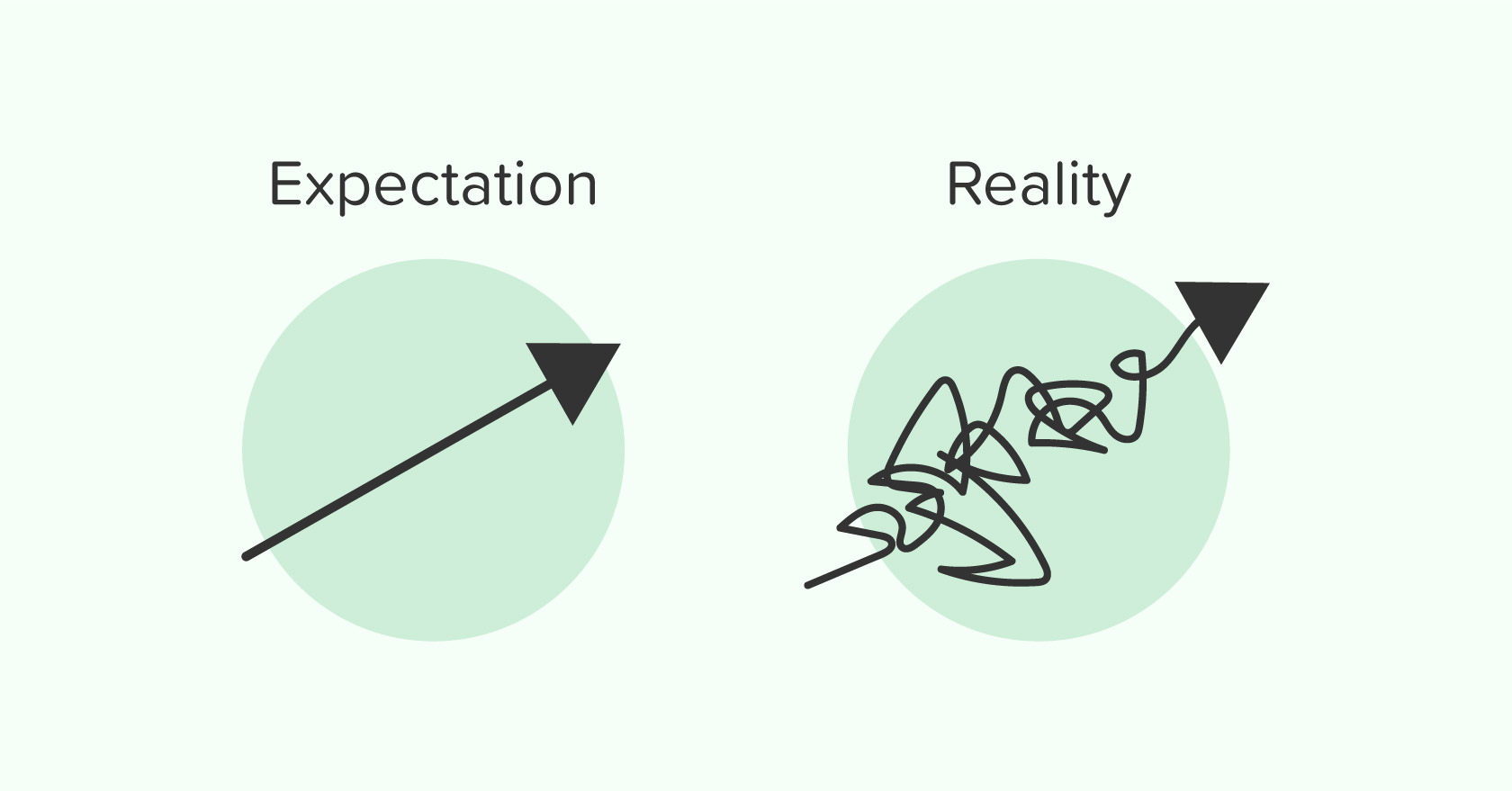
When people begin a health and fitness journey, they are often filled with motivation, excitement, and big goals. They want to lose 30 pounds, gain muscle, run their first 5K, or simply feel healthier and more confident in their own skin. There is absolutely nothing wrong with setting ambitious goals. In fact, big goals can be incredibly motivating and provide a clear vision of where you want to go.
The problem usually isn’t the goal itself. The problem is the timeline we expect it to happen in.
In today’s world of quick fixes, social media transformations, and “30-day challenges,” it’s easy to believe that major change should happen quickly. Many people expect dramatic results within weeks. When that doesn’t happen, frustration begins to build. Progress feels slow. Motivation fades. Eventually, people start to question whether they are capable of reaching their goal at all.
This is where unrealistic expectations become one of the biggest pain points in someone’s health and fitness journey.
When progress doesn’t match expectations, people often begin to feel overwhelmed. They may think they’re doing something wrong, that they’re failing, or that they simply “don’t have what it takes.” Mentally, this can be exhausting. The excitement that once fueled their journey turns into discouragement. Instead of celebrating progress, they focus on how far away they still feel from their end goal.
These thoughts can spiral into feeling like a failure, believing the goal is impossible, or expecting immediate results that the body simply cannot produce in such a short period of time.
But the reality is that meaningful, lasting change takes time.
Building strength, improving endurance, losing body fat, and developing healthier habits are processes that occur gradually. The body adapts slowly, and that’s actually a good thing. Slow, steady progress is far more sustainable than rapid change that disappears just as quickly as it arrived.
One of the most effective ways to overcome unrealistic expectations is by breaking large goals into smaller, manageable milestones. Instead of focusing only on the end result, we create mini-goals along the way.
If someone’s ultimate goal is to lose 40 pounds, the first milestone might be losing the first five. If someone wants to run a full marathon someday, the first step may simply be completing their first mile without stopping. These smaller goals create momentum. They give you frequent wins to celebrate and help reinforce that progress is happening, even if it’s not happening as quickly as you originally imagined.
Mini-goals also make the journey feel less overwhelming. A massive goal can feel intimidating when you stare at it every day. But smaller steps make the process more approachable and achievable.
Another powerful shift is focusing less on outcomes and more on habits.
True transformation doesn’t happen because someone followed a perfect plan for a few weeks. It happens because they gradually changed their daily behaviors. They started exercising consistently. They improved their nutrition. They prioritized sleep. They learned discipline and built routines that support their goals.
At CrossFit Be Someone, this is something we emphasize with our athletes every day. Our goal isn’t simply to help someone reach a short-term fitness milestone. Our goal is to help them build a lifestyle.
A lifestyle built on healthy habits, consistency, and discipline creates results that last. When someone changes who they are through their habits, how they train, how they eat, how they take care of themselves, they are no longer just chasing a goal. They are becoming the type of person who naturally sustains those results.
This mindset shift is incredibly powerful.
Instead of asking, “How fast can I reach my goal?” we start asking, “What habits do I need to build to become the person who lives this lifestyle?”
When the focus shifts to daily actions rather than instant results, progress becomes far more sustainable. The pressure of unrealistic timelines fades, and the journey becomes something people can actually enjoy.
Health and fitness should never feel like a race against the clock. It’s a long-term investment in yourself.
Yes, set big goals. Dream about the things that feel challenging or even slightly out of reach. Those ambitions are often what push us to grow.
But give yourself the time required to truly build the habits, discipline, and lifestyle that make those goals possible.
Because when the journey is built the right way, the results don’t just happen faster. They last.

.jpg)


