
When people think about CrossFit, they usually think about barbells, squats, pull-ups, and intense workouts. They think about building muscle, improving endurance, and getting in better shape.
But what if your workouts were doing more than improving your physical fitness? What if the way you move, learn new skills, and solve movement challenges was also helping your brain adapt?
At CrossFit Be Someone in Houston, we believe fitness is about more than what you can lift or how fast you can finish a workout. It is about developing the physical and neurological abilities that help you navigate life with confidence, coordination, and independence.
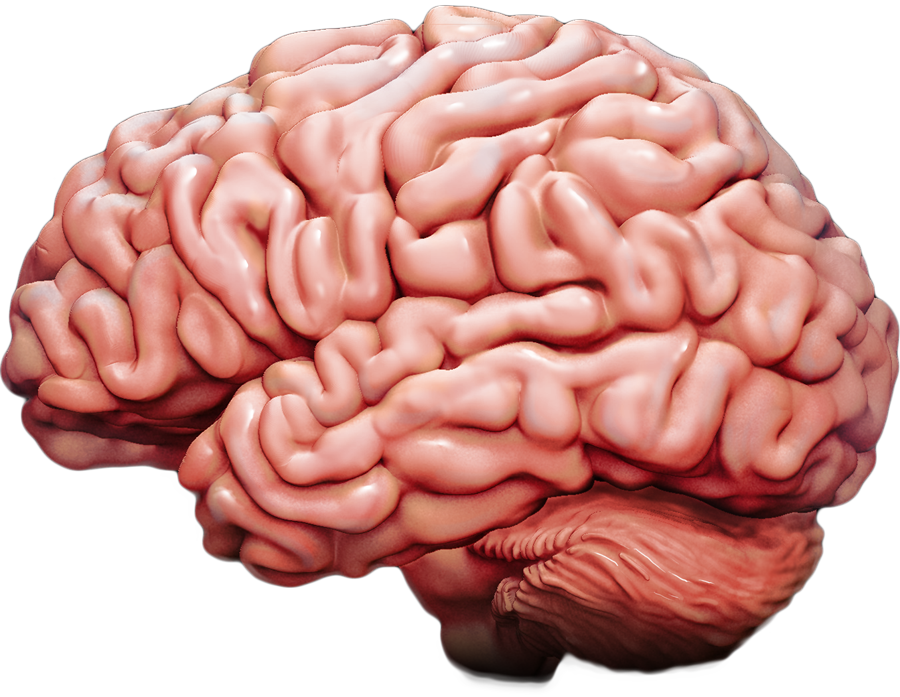
One important concept behind this is neuroplasticity, the brain's ability to change and adapt in response to experience, learning, and practice.
Exercise, motor learning, and challenging movement patterns can support brain health and neurological function. CrossFit brings many of these elements together through constantly varied, functional movements performed at different speeds, loads, and levels of complexity.
Let's look at how the movements we practice can help develop skills that matter far beyond the gym.
Squatting and Hinging: Building the Foundation for Everyday Life
Squatting and hinging are fundamental human movement patterns. You use them when sitting down, standing up, picking something off the floor, loading groceries into your car, and picking up your children or grandchildren.
These movements require your brain and central nervous system to coordinate multiple muscles, maintain stability, and control your body's position.
As you practice squats and deadlifts, you develop movement awareness, strength, and the ability to coordinate your hips, knees, trunk, and feet. With practice, these movements can become more efficient and controlled.
That matters as you age. Maintaining strength, balance, and movement proficiency can help you remain capable during everyday activities.
The goal is not simply to squat more weight. It is to build a body that can respond to the physical demands of life.
Pressing, Pulling, and Grip Strength: Connecting Your Brain to Your Body
Think about how many things you do every day with your hands and arms. You open doors, carry bags, lift objects, push yourself off the floor, and reach for things on shelves.
Movements such as push-ups, presses, pull-ups, rows, and carries train your upper body while requiring coordination between your hands, arms, shoulders, and trunk.
Grip strength is particularly useful because your hands are involved in so many everyday tasks. Deadlifts, farmer's carries, pull-ups, and kettlebell exercises challenge your ability to hold and control objects while maintaining posture and stability.
These movements also provide sensory feedback. Your nervous system processes information about pressure, joint position, and muscle tension, helping you adjust your movements in response to the task.
Over time, practicing these skills helps you become more capable of controlling your body and interacting with your environment.
Single-Arm and Single-Leg Movements: Training Coordination
Life rarely requires you to move both sides of your body in perfectly symmetrical patterns.
You walk, climb stairs, carry a bag on one shoulder, reach across your body, and shift your weight from one leg to another.
Exercises such as lunges, step-ups, single-arm presses, and alternating dumbbell movements challenge your ability to coordinate different limbs while maintaining balance.
These movements require your brain to organize the timing and position of your limbs while stabilizing your body.
Alternating movements can also challenge bilateral coordination, the ability to coordinate the left and right sides of your body. When exercises involve opposite arms and legs, they may require additional control and attention.
This is one reason we do more than repeat the same movement in every workout. Practicing a variety of movement patterns gives you opportunities to develop a broader range of physical skills.
Going Upside Down: Challenging Your Body Awareness
Handstands, handstand holds, and other inverted movements are examples of how CrossFit can challenge your coordination and body awareness.
When you go upside down, your body must manage a different orientation relative to gravity. Your shoulders, wrists, trunk, and hands work together to maintain position, while your brain processes sensory information to help you stay balanced.
These movements can be challenging, and they are not necessary for everyone. Coaches can scale them to match an athlete's abilities, using options such as wall-supported holds, elevated positions, or other stability exercises.
The important principle is that learning unfamiliar movements requires attention, practice, feedback, and adjustment.
You are not just developing strength. You are learning to control your body in a new situation.
Balance, Coordination, Accuracy, and Agility: Skills for Life
CrossFit incorporates movements that challenge several neurological and physical skills at once.
Balance helps you maintain control of your body's position. Coordination allows different body parts to work together. Accuracy involves directing a movement toward a specific target, as with medicine ball throws. Agility requires you to change direction or position efficiently in response to changing demands.
Learning to jump rope, perform Olympic weightlifting movements, throw a medicine ball, or transition between exercises challenges you to process information and coordinate your response.
These skills involve communication between your brain, spinal cord, sensory systems, and muscles. With appropriate practice, you can improve your movement proficiency and the ability to perform these tasks.
Research supports exercise as beneficial for brain health, although we should not claim that every CrossFit movement directly increases neuroplasticity or prevents neurological disease. The value is in regularly challenging your body, learning skills, and practicing movements that require control and coordination.
Build a Stronger Body and Mind at CrossFit Be Someone
Your fitness should prepare you for more than a workout. It should help you enjoy an active life, meet physical challenges, and maintain your independence as you age.
At CrossFit Be Someone, our coaches help you develop strength, balance, coordination, and confidence through functional movements and appropriately scaled workouts. You do not need to be an experienced athlete to start. We meet you where you are and help you progress.
We proudly serve Houston residents in the Heights, Greater Heights, Garden Oaks, River Oaks, and Memorial.
Ready to challenge yourself, improve your fitness, and discover what your body can do?
Schedule a free consultation. Let's discuss your goals and find the right starting point for you.


