
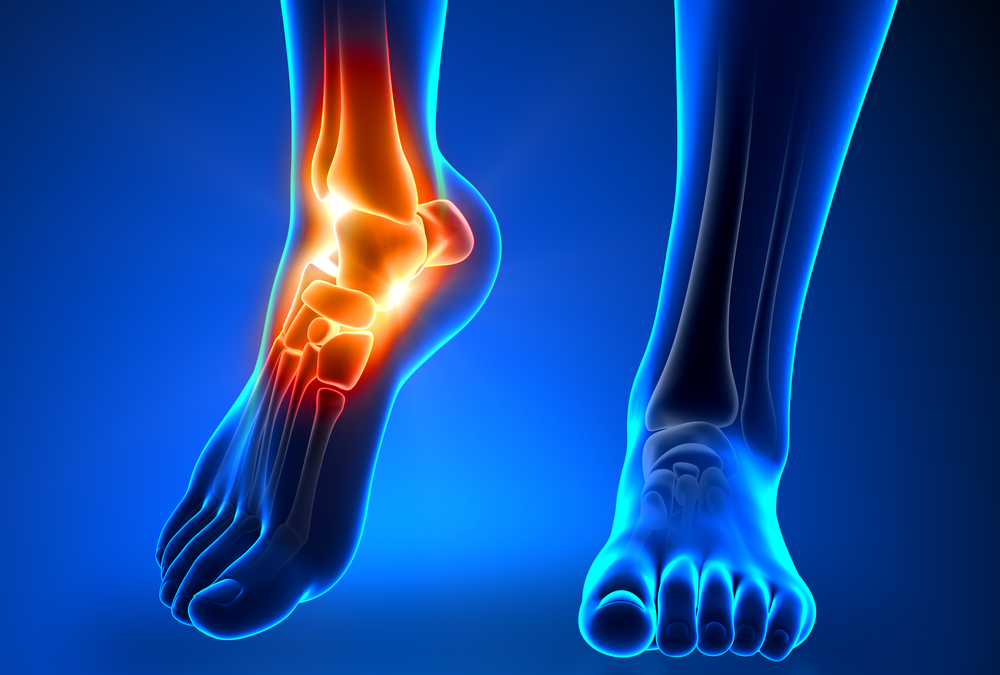
One of the biggest obstacles to long-term fitness success isn't motivation, discipline, or even finding time to exercise. It's injuries. Whether it's a nagging shoulder, an aching knee, a sore back, or a recently sprained ankle, injuries have a way of convincing people that they need to put their entire fitness journey on hold. Many people adopt the mindset that they need to be completely healthy before they can return to the gym, but that way of thinking often keeps them sidelined far longer than necessary.
The truth is that injuries are simply a part of life. They don't exclusively happen in gyms, and they certainly don't only happen during CrossFit workouts. You can twist your ankle stepping off a curb, stub your toe walking to the bathroom in the middle of the night, slip while walking down the stairs, strain your back picking up your child, or wake up with a stiff neck after sleeping in an awkward position. None of those situations have anything to do with exercise, yet they happen every day. Human beings move, and sometimes movement results in aches, pains, and injuries.
Exercise is no different. Whether you enjoy running, cycling, swimming, basketball, tennis, weightlifting, yoga, pickleball, or CrossFit, every physical activity carries some level of risk. That shouldn't discourage anyone from exercising because the benefits of regular physical activity overwhelmingly outweigh the relatively small risk of getting injured. Instead of searching for an activity with zero risk, which simply doesn't exist, the focus should be on exercising under qualified coaching, using good mechanics, and making intelligent decisions when your body needs adjustments.
Unfortunately, CrossFit has often been singled out as being uniquely dangerous, despite research showing injury rates comparable to many other recreational sports and strength training activities. Years ago, sensational headlines created a narrative that CrossFit caused excessive injuries, but many of those claims were based on poor methodology and inaccurate reporting. CrossFit successfully challenged false injury claims in court after fabricated data was used to misrepresent the program. Does that mean injuries never occur during CrossFit? Of course not. Just as runners develop knee pain, tennis players experience elbow injuries, and football players sustain injuries on the field, CrossFit athletes can occasionally get hurt as well. The difference isn't whether injuries happen. The difference is how those injuries are managed and whether they become an excuse to stop moving altogether.
One of the greatest misconceptions people have is believing they need to be operating at 100 percent before they deserve to work out. Think about how unrealistic that expectation really is. What adult consistently feels perfect every single day? Between work, family responsibilities, stress, poor sleep, travel, and the normal wear and tear of daily life, very few people wake up feeling completely refreshed and pain-free. If everyone waited until they felt perfect before exercising, very few workouts would ever happen.
This is where professional coaching becomes incredibly valuable. At CrossFit Be Someone, we don't expect people to push through pain. In fact, we actively coach against it. There is a significant difference between working hard and working through an injury. If something hurts, our goal isn't to ignore it or simply tell you to "tough it out." Our responsibility is to modify the workout so you can continue training safely while allowing the injured area to recover.
Almost every workout can be adjusted without eliminating the benefits of training. If your shoulder is bothering you, there are countless ways to continue improving your lower-body strength, cardiovascular fitness, balance, coordination, and core stability. If you've sprained your ankle, we can choose movements that don't aggravate the injury while still allowing you to challenge your cardiovascular system and upper body. If your back is irritated, we can adjust loading, movement patterns, range of motion, or exercise selection to keep you moving safely. Fitness is rarely an all-or-nothing pursuit, and one injured body part should never convince you that your entire body is incapable of exercising.
Many athletes also worry that modifying workouts will somehow ruin their progress or create major muscular imbalances. We often hear concerns like, "If I only train one arm, won't one side become much bigger than the other?" Fortunately, the human body doesn't adapt that quickly. Temporary modifications are exactly that, temporary. Research even demonstrates a phenomenon known as cross-education, where training one limb helps preserve neurological adaptations and strength in the opposite limb. Continuing to train intelligently during recovery is almost always more beneficial than doing nothing at all.
The greatest challenge during an injury is often psychological rather than physical. It's frustrating to watch classmates perform movements you enjoy while you're completing a modified version of the workout. It can feel discouraging to temporarily lose certain skills or strength, and it's completely normal to miss movements that you previously performed without thinking. However, injuries also provide an opportunity to develop resilience, patience, and perspective. They remind us that fitness is much larger than any single exercise or workout. Progress isn't measured by whether you performed pull-ups today or lifted a personal record. Progress is measured by your willingness to continue showing up despite temporary setbacks.
If you ever question whether you can continue exercising with an injury, spend a few minutes watching CrossFit Adaptive athletes compete. Every day, these athletes demonstrate extraordinary fitness while navigating limb differences, spinal cord injuries, neurological conditions, visual impairments, and countless other physical challenges. Their accomplishments aren't meant to diminish your injury but to provide perspective. They show us that limitations are often far more influenced by our mindset than by our circumstances. A rolled ankle or sore shoulder may temporarily change your programming, but it doesn't have to end your commitment to becoming healthier.
At CrossFit Be Someone, our coaches understand that every athlete walks through our doors with a different story. Some are preparing for competitions, while others are recovering from surgery or managing chronic aches accumulated over years of work and life. Our job is never to force everyone through the exact same workout. Our job is to meet each individual where they are, provide intelligent modifications, and create an environment where progress continues regardless of temporary setbacks.
If you live in the Greater Heights, Heights, Garden Oaks, River Oaks, or Memorial area and you've been avoiding exercise because of an injury or nagging ache, we invite you to come talk with our coaching team. You don't have to wait until you're operating at 100 percent before investing in your health. Our professional coaches will work with you, modify every workout as needed, and help you continue making progress while respecting the recovery process. Your injury may change how you train for a while, but it doesn't have to define your future. The most important step is simply deciding to keep moving forward.


