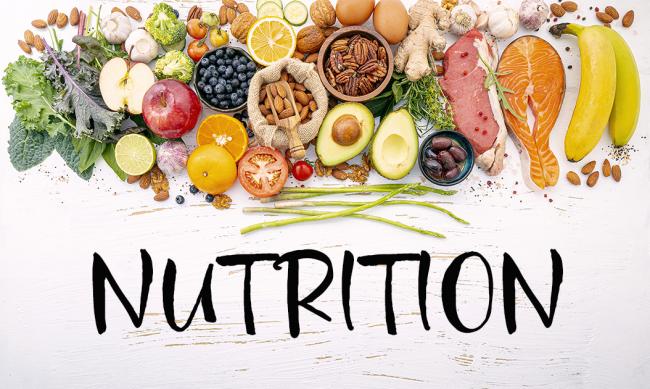
You can train hard five days a week. You can hit personal records. You can show up consistently and push through tough workouts. But if your nutrition is not aligned with your goals, progress will feel frustratingly slow.
Poor nutrition habits are one of the biggest pain points in any health and fitness journey. They quietly sabotage energy, recovery, body composition, performance, and even mindset. Many people assume they need a better program or more cardio, when in reality the issue starts in the kitchen.
Training creates the stimulus. Nutrition determines the response.
At CrossFit Be Someone, athletes often discover that what happens outside the gym matters just as much as what happens inside it. You cannot out train inconsistent eating habits. You cannot expect peak performance if your body lacks the fuel to support it.
How Poor Nutrition Shows Up
Poor nutrition is not always obvious. It is not just fast food and soda. It can look like:
- Skipping meals during the day and overeating at night
- Under eating protein and wondering why recovery feels slow
- Living on caffeine and running on empty
- Constantly snacking without awareness
- Eating “clean” but not enough to support training
These habits create real consequences.
Low energy becomes normal. Workouts feel harder than they should. Sleep quality declines. Cravings increase. Body composition stalls. Mood fluctuates. Over time, frustration builds.
Many people respond by training more. They add extra conditioning. They cut calories further. They try another challenge. But without addressing foundational nutrition habits, the cycle continues.
The truth is simple. Your body needs consistent fuel, quality nutrients, and adequate hydration to adapt to training. Without those inputs, progress is limited.
The good news is that nutrition is a skill. And like any skill, it can be developed with structure, accountability, and coaching.
Here are five practical action steps to help you move from frustration to progress.
1. Start Tracking What You Are Actually Eating
Awareness creates change.
Before you overhaul your diet, spend one to two weeks tracking your food intake. You can use a simple app or even a notebook. The goal is not perfection. The goal is clarity.
Most people underestimate how much they snack, overestimate their protein intake, and overlook liquid calories. Tracking highlights patterns you cannot see otherwise.
When you bring this data to a coach at CrossFit Be Someone, they can help interpret it. Instead of guessing, you make informed adjustments.
2. Prioritize Protein at Every Meal
Protein is one of the most overlooked nutrients in active adults. It supports muscle repair, recovery, satiety, and body composition goals.
A simple rule is to include a quality protein source at every meal. Eggs, Greek yogurt, chicken, lean beef, fish, tofu, or protein shakes are all solid options.
If you train regularly and struggle with soreness or stalled progress, low protein intake may be part of the problem.
CrossFit Be Someone coaches can help you calculate an appropriate daily protein target based on your body weight, activity level, and goals. That guidance removes confusion and provides a clear standard to aim for.
3. Build Balanced Meals Instead of Snacking Randomly
Many poor nutrition habits stem from lack of structure.
Instead of grazing throughout the day, aim for balanced meals that include protein, carbohydrates, healthy fats, and fiber. For example:
- Grilled chicken, rice, vegetables, and avocado
- Salmon, sweet potatoes, and greens
- Ground turkey, quinoa, and roasted vegetables
Balanced meals stabilize blood sugar, improve energy levels, and reduce late night cravings.
If meal planning feels overwhelming, ask a coach for simple templates. At CrossFit Be Someone, coaches often provide realistic strategies that fit busy schedules rather than rigid meal plans that are hard to sustain.
4. Hydrate with Intention
Dehydration can mimic fatigue, hunger, and poor performance. Yet many people rely on coffee and forget to drink water consistently.
A practical starting point is half your body weight in ounces of water per day, adjusting for climate and activity level.
Bring a water bottle to the gym. Keep one at your desk. Make hydration part of your routine rather than an afterthought.
Coaches can also help you assess whether electrolyte support may benefit your training intensity and recovery.
5. Use Accountability and Coaching
Perhaps the most powerful step is this one. Do not try to fix everything alone.
Nutrition change is difficult because food is emotional, social, and habitual. Willpower alone rarely works long term.
At CrossFit Be Someone, coaches can provide accountability, education, and encouragement. They help you set realistic goals, review progress, and adjust when life gets busy. They remind you that consistency beats perfection.
Quarterly check ins create ownership. When you know someone will review your habits, you are more likely to follow through. You can always talk to your coaches and show them your meals while at the gym.
More importantly, coaches help you connect your nutrition to your bigger purpose. You are not just eating better to lose weight. You are fueling your body to train hard, to be present with your family, to lead confidently, and to become the strongest version of yourself.
The Bigger Picture
Poor nutrition habits are not a character flaw. They are usually the result of lack of structure, education, or support.
The pain point is real. You work hard in the gym but do not see the results you expect. You feel tired despite training consistently. You question whether you are doing something wrong.
Often, the answer is not more effort. It is better fuel.
When you combine intentional training with intentional nutrition, progress accelerates. Energy improves. Recovery speeds up. Confidence grows.
You start to feel aligned instead of frustrated.
If you are serious about your health and fitness journey, look beyond the workout. Evaluate your habits outside the gym. Take action on the steps above. Lean on the expertise of CrossFit Be Someone coaches.
Because when training and nutrition work together, you do not just work out. You transform.