Today, the word functional is everywhere.
Functional training. Functional fitness. Functional strength. Functional this, functional that.
The problem is that when everything is labeled functional, the word itself loses meaning. If everything is functional, then nothing truly is. CrossFit has never been vague about this term. From the beginning, CrossFit defined functional movements clearly, deliberately, and with standards that separate them from non-functional exercise.
In CrossFit, functional movements are not a marketing buzzword. They are movements with specific characteristics and one ultimate defining trait.
The Six Characteristics of Functional Movements
CrossFit describes functional movements using six characteristics. These are not optional qualities. A movement either meets these criteria or it does not.
1. Functional movements are natural
No one invented the squat or the deadlift. They were not created in a lab or designed by a machine company. These movements exist because life demands them.
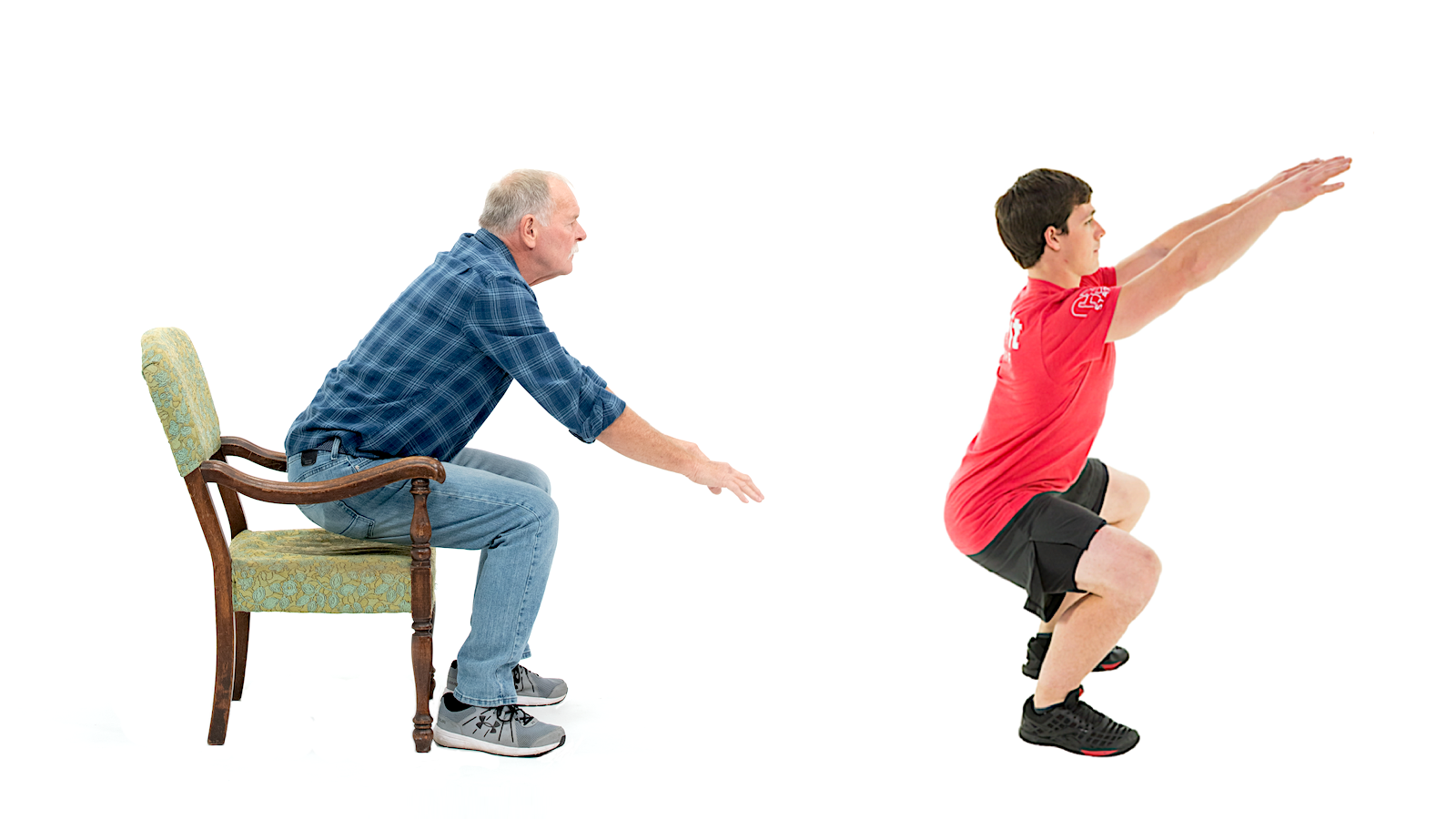
Standing up from a chair, picking something off the ground, jumping, throwing, climbing, pushing, and pulling are as natural to humans as a dog wagging its tail or a bird flapping its wings. These movements emerged spontaneously to meet the demands of survival. Long before gyms existed, humans were squatting, lifting, carrying, and running because life required it.
CrossFit movements are rooted in how the human body was designed to move.
2. Functional movements are essential
These movements are not optional if you want to live independently for as long as possible.
Squatting, hinging, pressing, pulling, and carrying are what allow you to get off the floor, lift groceries, put luggage overhead, or play with your kids. When these abilities decline, independence declines with them.
Functional movements help delay or prevent decrepitude. They keep people out of nursing homes longer. They preserve dignity, autonomy, and quality of life. This is not about aesthetics or gym performance. It is about staying capable in the real world.
3. Functional movements use universal motor recruitment patterns
You see these movements everywhere.
On a job site. In a park. On a battlefield. In a sporting event. In daily chores around the house. Across cultures and across time, humans move the same way when faced with physical tasks.
That universality is critical. A back squat transfers to standing up. A deadlift transfers to picking something up. A pull-up transfers to climbing. These movements are not confined to the gym. They show up in life constantly, which is why they are transferable.
4. Functional movements are compound yet irreducible
The sum is greater than the parts.
You cannot build a back squat by doing leg extensions, hamstring curls, and calf raises alone. While those muscles may get stronger in isolation, the systemic response is missing. The coordination, timing, balance, and neurological demand are not replicated.
Compound movements require multiple joints and muscle groups working together. They train the body as an integrated system rather than a collection of parts. That integration is what produces meaningful adaptation and real-world strength.
5. Functional movements are core to extremity
This is how the body efficiently produces power.
Power originates in the core and is transferred to the extremities. Whether throwing, jumping, sprinting, or lifting, the correct order of action starts at the center of the body and moves outward.
This sequencing is not a coaching preference. It is biomechanics. When movements follow this pattern, they are more efficient, more powerful, and more resilient. When they do not, energy leaks occur and injury risk increases.
6. Functional movements are safe
Safety in CrossFit is often misunderstood.
The most unsafe thing you can do is avoid functional movement altogether. Safer than that is performing functional movements poorly. The safest option is performing functional movements well.
CrossFit prioritizes mechanics first, then consistency, and finally intensity. When movements are coached, scaled, and executed correctly, they build strength, resilience, and durability over time.
The Ultimate Defining Characteristic: Power
While the six characteristics matter, there is one definitive separator between functional and non-functional movements.
Functional movements allow you to move large loads, long distances, quickly.
This is power.
Power is defined as work divided by time, or load multiplied by distance divided by time. Functional movements inherently produce higher power outputs than non-functional movements because they involve more muscle mass, greater range of motion, and coordinated effort.
Compare an air squat to a bicep curl. Compare a pull-up to a concentration curl.
There is nothing inherently wrong with isolated movements. They have a place in rehabilitation, bodybuilding, or targeted accessory work. But they do not compare to functional movements in their ability to produce power and improve work capacity.
CrossFit programs movements that deliver the biggest return on investment. Movements that challenge the body as a whole. Movements that prepare you for life outside the gym.
Why This Matters
CrossFit is not random exercise. It is principled training.
Functional movements are at the core of the program because they are natural, essential, universal, compound, core-driven, and safe. More importantly, they generate power, which is the hallmark of fitness.
In a world where “functional” has become meaningless, CrossFit remains precise. It does not ask you to guess what functional means. It defines it, coaches it, and applies it daily.
That clarity is why CrossFit works.