
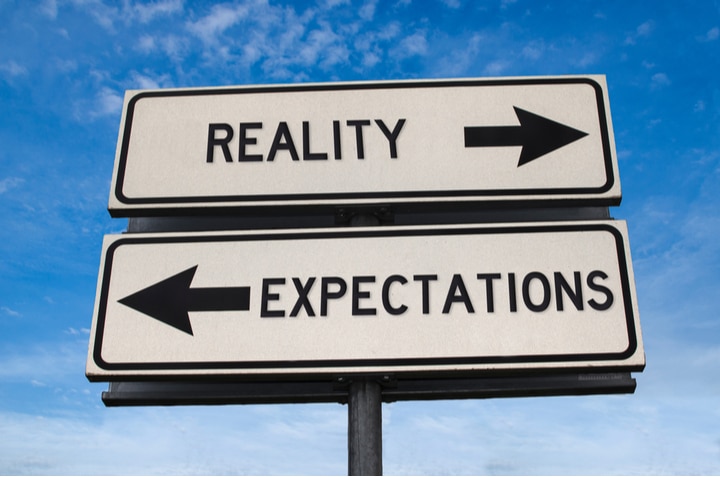
One of the biggest pain points in the fitness industry is not a lack of information. It is the expectation that results should happen much faster than they actually do. People begin a new training program, change their nutrition, and expect to see significant changes in their body, health, and performance within a matter of weeks. When those changes do not happen as quickly as expected, frustration sets in, motivation declines, and many people abandon the process altogether. The problem is not necessarily the program. The problem is that our expectations have been shaped by a culture that constantly promises immediate results.
Social media has only amplified this problem. We are surrounded by before-and-after photographs, dramatic transformations, extreme diets, six-week challenges, and fitness personalities promoting seemingly effortless results. What we rarely see is the complete story behind those results. We see the finished product, but we do not see the years of training, nutritional consistency, lifestyle changes, setbacks, sacrifices, and ordinary days that produced it. We are shown the outcome without the process.
This creates an unrealistic expectation that fitness should work like surgery. Make a decision, undergo the procedure, and emerge dramatically different on the other side. Unfortunately, the human body does not work that way. There is no operation that instantly gives you years of cardiovascular fitness, strength, mobility, muscle mass, nutritional discipline, or healthy habits. There is no legitimate shortcut that allows you to undo years of lifestyle choices in a few weeks.
Consider the reality for many adults beginning their fitness journey. Someone may have spent the last 10 or 20 years being relatively inactive, eating poorly, drinking regularly, sleeping inconsistently, working long hours, and making their health a secondary priority. Those years of behavior have an impact. They influence body composition, cardiovascular capacity, strength, movement quality, energy levels, and overall health. Yet that same person may walk into a CrossFit gym and believe that three months of training should completely reverse everything that happened during the previous decade.
Three months can absolutely create meaningful change. It can improve strength, cardiovascular fitness, movement quality, confidence, and daily energy. It can establish habits that begin moving someone in an entirely different direction. But three months is not a reasonable expectation for completely transforming the consequences of years of living differently. The body needs time to adapt, and the individual needs time to develop the behaviors necessary to sustain those adaptations.
This is why consistency matters more than short-term intensity.
There is nothing wrong with being motivated when you begin a fitness program. In fact, motivation can be incredibly useful because it can provide the initial push to make a change. The problem occurs when people believe motivation and extreme effort are sustainable strategies. They completely overhaul their diet, exercise every day, eliminate entire food groups, severely restrict calories, and attempt to become a completely different person overnight. The approach may work temporarily, but it often becomes impossible to maintain. Eventually, life gets busy, motivation decreases, the individual misses workouts or deviates from the diet, and they conclude that they have failed.
They have not failed. The strategy failed to account for reality.
Lasting fitness requires a lifestyle that can exist alongside the rest of your life. There will be busy workweeks, vacations, holidays, family obligations, stressful periods, and days when training is the last thing you feel like doing. The objective is not to create a perfect lifestyle that you can maintain for 30 days. The objective is to establish sustainable behaviors that you can continue for years.
That means training consistently rather than occasionally training excessively. It means improving your nutrition without believing that you can never enjoy another meal that falls outside your normal routine. It means learning how to prioritize sleep and recovery while understanding that there will be nights when neither is perfect. It means recognizing that one missed workout or one poor meal does not erase months of positive behavior.
This is also why fitness should be viewed as a change in lifestyle rather than a temporary project.
You are not simply trying to lose 20 pounds. You are learning how to become a person who takes care of their health. You are not simply trying to improve your deadlift. You are developing strength that allows you to continue doing the things you enjoy as you age. You are not simply trying to complete a workout. You are developing the physical capacity to live your life with greater independence and confidence.
Those changes take time because you are not simply changing your body. You are changing your behaviors.
The process requires patience because meaningful adaptation is cumulative. One workout will not transform you. One healthy meal will not transform you. One good night's sleep will not transform you. But thousands of workouts, thousands of nutritious meals, years of adequate recovery, and countless small decisions made consistently can completely change the trajectory of your life.
There is another important part of this conversation that is often overlooked: achieving a result is not the end of the process.
The real game is maintenance.
If someone loses weight, the goal is not to return to the behaviors that caused the weight gain in the first place. If someone becomes stronger, the goal is not to stop training once they reach a particular number. If someone improves their cardiovascular fitness, the goal is not to become sedentary again. The goal is to continue living the lifestyle that produced those results.
This is where sustainable fitness separates itself from temporary fitness challenges and fad diets. The objective is not simply to get you somewhere. The objective is to teach you how to stay there.
That requires accepting that health and fitness are lifelong pursuits. There is no point where you have officially "finished" being fit. There is no graduation from taking care of yourself. You continue to train, continue to eat well, continue to recover, and continue to adapt your approach as your life changes. Your goals may change over time, but the commitment to your health does not have to.
The greatest result is therefore not the person who changes the fastest. It is the person who changes permanently.
If you have spent years living one way, give yourself the opportunity to spend years living differently. Stop comparing your progress to someone else's highlight reel. Stop expecting a few weeks of effort to erase years of habits. Stop searching for the next extreme program that promises to get you there faster.
Instead, focus on becoming consistent.
Give your body time to adapt. Give yourself time to develop better habits. Learn how to train, eat, recover, and live in a way that you can maintain. Trust the process and understand that the most meaningful results are often the ones that accumulate slowly enough that you do not realize how much you have changed until you look back.
At CrossFit Be Someone, our goal is not to help you get fit for 30 days, 90 days, or even one year. We want to help you develop the fitness, habits, knowledge, and consistency necessary to live a healthier and more capable life for decades. We serve individuals throughout the Heights, Greater Heights, Garden Oaks, River Oaks, Memorial, and surrounding Houston communities who are ready to stop looking for temporary solutions and start building a sustainable lifestyle.
Your health is not a short-term project, and your results should not be measured only by how quickly they appear. The real measure of success is whether the choices you are making today can still be part of your life years from now.
Be patient. Be consistent. Play the long game.
If you are ready to make fitness a permanent part of your lifestyle, come visit CrossFit Be Someone and let us help you build a plan that you can sustain for life.


