One of the biggest challenges people face when trying to improve their nutrition is figuring out what “healthy” actually means.
Food marketing has made this more confusing than it needs to be. We see words like natural, organic, superfood, fresh, antioxidant-rich, protein-packed and healthy plastered across products and menus. We assume that because something contains a healthy ingredient, the entire meal must be healthy.
That is not always the case.
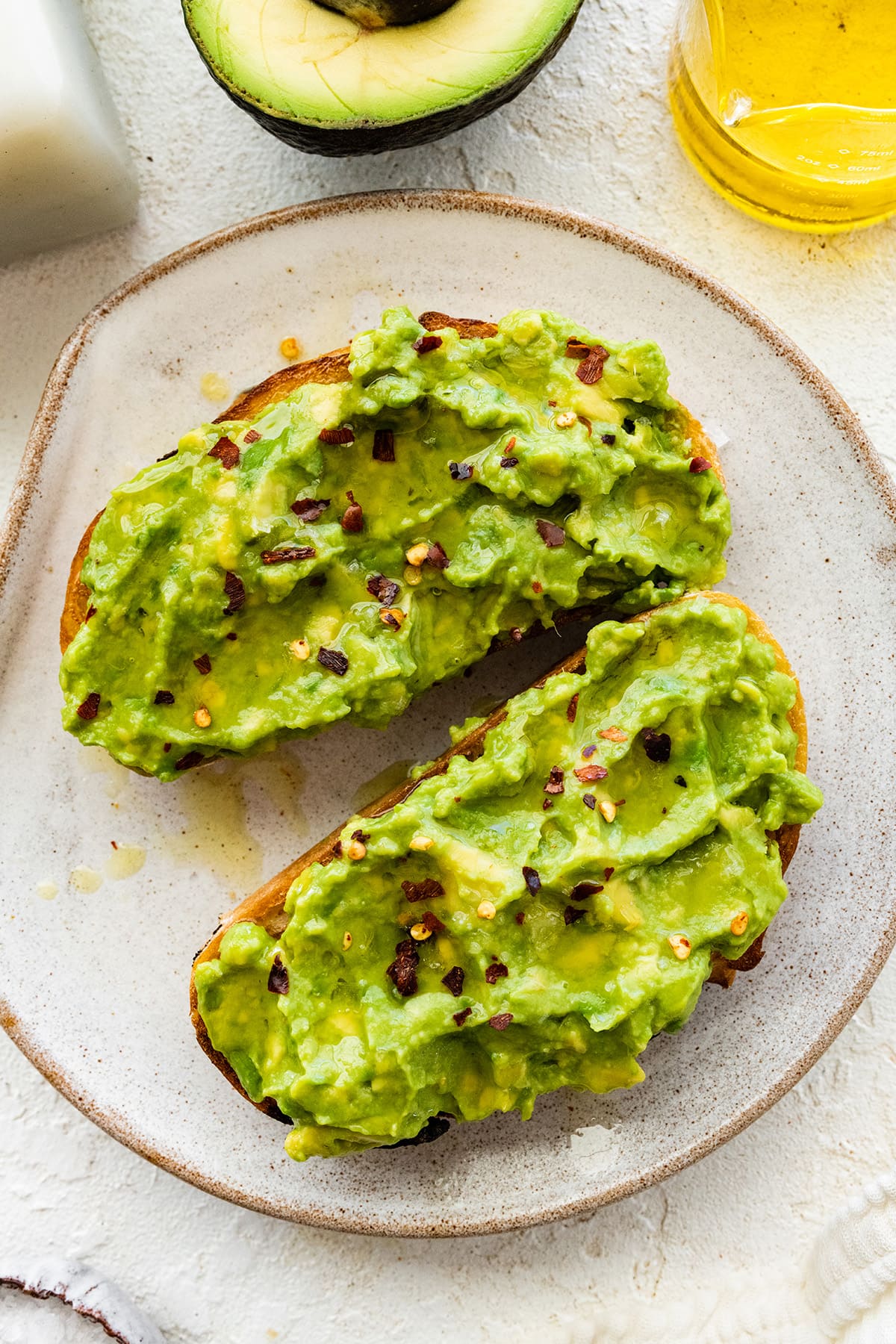
Avocado toast is a great example. Avocados provide healthy fats, fiber and micronutrients. Whole-grain bread can provide carbohydrates and fiber. But depending on the portion and what else you eat throughout the day, avocado toast may be primarily a carbohydrate-and-fat meal with very little protein.
An acai bowl can have fruit, antioxidants and other nutrient-dense ingredients. But many bowls also contain significant amounts of fruit, granola, honey, nut butter and other calorie-dense toppings. What started as a nutrient-dense meal can quickly become a very carbohydrate-heavy meal without much protein.
Smoothies can have the same problem. A smoothie made with fruit, juice, honey and other sweet ingredients may contain plenty of calories and carbohydrates but very little protein. Even commercial smoothies marketed as healthy can vary significantly depending on what is actually in them.
Juice is another common example. Orange juice, apple juice and other fruit juices can provide vitamins and carbohydrates, but removing much of the fruit's fiber changes how quickly you can consume the calories. Drinking several hundred calories of juice is also much easier than eating the equivalent amount of whole fruit.
Then there is the classic salad.
A salad can absolutely be an excellent meal. But a salad covered in a large amount of calorie-dense dressing, cheese, croutons, candied nuts and other toppings can become something very different. Creamy dressings such as ranch, blue cheese and Caesar can add substantial amounts of fat and calories. Sweet dressings such as honey mustard or certain bottled vinaigrettes can also contain significant amounts of added sugar.
The answer is not to stop eating salads. The answer is to build a better salad.
Another common mistake is peanut butter toast. Peanut butter contains protein and healthy fats, while bread provides carbohydrates. But depending on the amount of peanut butter and the type of bread, the meal can still be relatively low in protein compared with what an active person may need.
And sometimes the “healthy” choice is not eating at all.
Skipping breakfast or lunch because you are trying to save calories might seem like a smart strategy. But for many people, it simply creates more hunger later in the day. You get home from work starving, grab whatever is convenient, and suddenly the meal you skipped has been replaced by overeating at night.
Other examples include yogurt parfaits loaded with granola and sweeteners, protein bars that are essentially candy bars with extra protein, “healthy” muffins, cereal marketed as heart healthy, flavored coffee drinks, smoothie bowls, trail mix eaten by the handful, and restaurant meals described as grilled or fresh but accompanied by large portions of starches and sauces.
None of these foods are automatically bad.
In fact, some of them can be useful stepping stones.
If replacing a fast-food breakfast with avocado toast helps someone make a better choice, that is progress. If replacing soda with a fruit smoothie helps someone improve their diet, that can be a positive step. If someone starts eating salads instead of fast food every day, that is obviously progress too.
But the stepping stone should not become the destination.
Eventually, the goal should be to build meals that consistently contain a balance of protein, carbohydrates and fat.
A simple way to do this is the plate method.
Think about your plate as four sections:
1/2 plate: vegetables
1/4 plate: protein
1/4 plate: carbohydrates
Then add a reasonable source of healthy fat.
For most people, we want the majority of carbohydrates to come from vegetables, with some fruit and little starch.
Here are a few examples:
Grilled chicken plate:
Half the plate is broccoli, peppers and other vegetables. One-quarter is grilled chicken. One-quarter is a small serving of sweet potato or rice. Add some avocado or olive oil for healthy fat.
Steak and vegetables:
Half the plate is asparagus, green beans and a large salad. One-quarter is steak. One-quarter is a small serving of potatoes. Add olive oil-based dressing or another reasonable source of fat.
Egg breakfast:
Eggs and egg whites provide protein. Add sautéed spinach, peppers and mushrooms for vegetables, a small serving of fruit for carbohydrates, and avocado for healthy fat.
Salmon bowl:
Half the bowl is mixed vegetables. One-quarter is salmon. One-quarter is a small serving of rice or another starch. Add avocado or an olive oil-based dressing.
You do not need a food scale to get started.
Your hand can give you a simple way to estimate portions.
Use your palm to estimate a serving of protein.
Use your cupped hand to estimate a serving of carbohydrates such as fruit, rice or potatoes.
Use your thumb to estimate a serving of fats such as peanut butter, oils, nuts or avocado.
For vegetables, use your fist as a general portion guide, with the goal of getting several portions throughout the day.
The exact amount you need will depend on your body, goals, activity level and individual circumstances. But this gives you a simple starting point without requiring you to weigh and measure everything you eat.
The goal is not to find the perfect “healthy” food.
The goal is to build healthy meals.
Your food should support your exercise, recovery, energy and health without consistently providing more energy than your body needs to maintain excess body fat.
That is a much more useful way to think about nutrition than simply asking, “Is this food healthy?”
At CrossFit Be Someone, we help people build the knowledge and habits necessary to make better decisions around food and exercise. We work with people throughout Greater Heights, Heights, Garden Oaks, River Oaks and Memorial.
If you are confused about what to eat, how much to eat or how to build nutrition habits that actually fit your life, schedule a free consultation with us.
You do not need another complicated diet.
You need a better understanding of how to build your meals.